
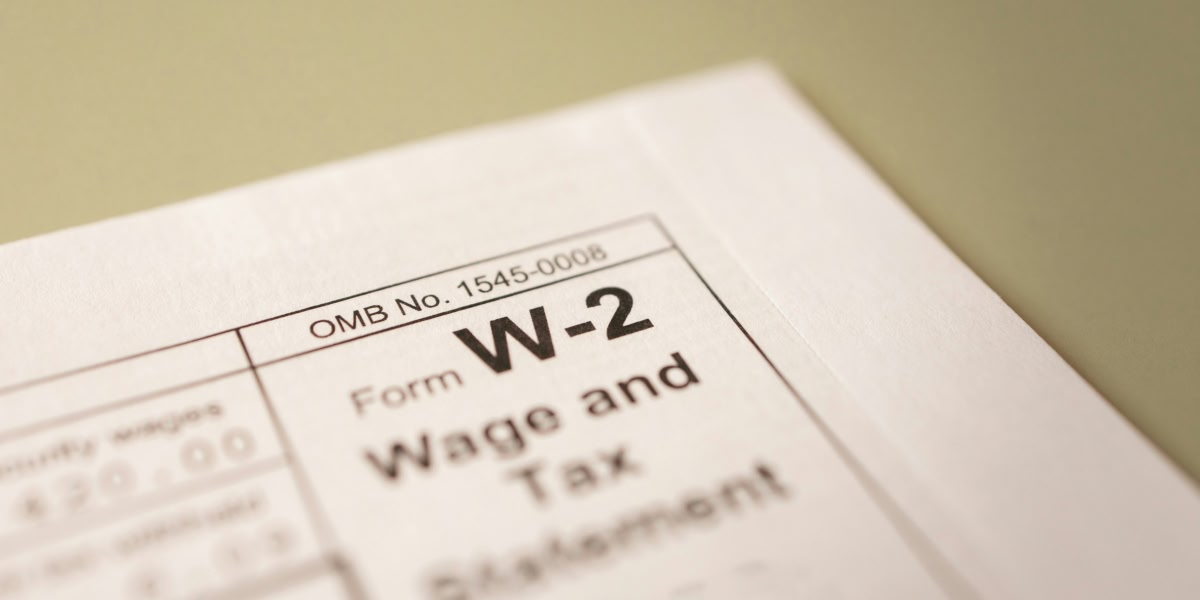
A pay stub shows how much you earned during a pay period, including your gross pay (before deductions), taxes and other deductions, and take-home pay (what you actually receive after taxes).
Pay stubs are commonly requested as part of divorce financial disclosure because they help document your current income. Requirements vary by state, but pay stubs are often used to support income information reported on divorce forms. For example, in California, they help support the Income and Expense Declaration (Form FL-150).
Most employers provide pay stubs electronically through a payroll system. If you can’t find yours, there are a few other places to look.
Where to Start
Start With Your Employer’s Payroll System
- Log in to your payroll account. Common providers include ADP, Gusto, Paychex, and Workday. Look for Pay, Pay History, or Statements.
- Check your email. Search for messages from your employer or payroll provider.
- Look through your paperwork. If you receive paper pay stubs, check your recent paychecks or employment records.
If you still can’t find them, contact your HR or payroll department and ask for copies.
What If You’ve Left the Job?
You may no longer have access to your former employer’s payroll system.
Start by contacting the company’s HR or payroll department. Ask whether they can provide copies of your pay stubs or restore access to your payroll records.
You can also contact the payroll provider to ask about accessing your account, although they may direct you back to your former employer.
Your rights to obtain payroll records vary by state. Some states require employers to provide copies upon request. If you’re having difficulty obtaining them, your state’s labor department may be able to explain your options.
What If Your Employer Has Closed or You Can’t Get the Records?
You may be able to find some of the information elsewhere:
- W-2 forms: Show certain annual earnings, taxes withheld, and other payroll information.
- Bank statements: Can help you identify direct deposits from your employer and understand how much you received.
- Tax returns: May provide additional information about annual earnings.
These documents can be useful, but they don’t replace a pay stub or necessarily show all the information it contains.
If you can’t obtain the requested stubs, record which documents you have and which are missing.
What If You Need Your Spouse’s Pay Stubs?
You may not have access to your spouse’s payroll account or know exactly how much they earn.
Start with information you already have or can lawfully access, such as joint tax returns, W-2 forms, or existing financial records.
If you know where your spouse works but don’t have their pay stubs, record that information.
For example:
“Employed at ABC Company. Current pay stubs unavailable.”
Your attorney can help determine how to request additional employment and income records through the divorce process and complete any required divorce financial affidavit or income disclosure forms.
What If You Still Can’t Find Them?
You don’t need to guess at income or deductions.
Make a note of what you’ve been able to find, what you’ve already tried, and which records are still missing.
The important thing is to identify the missing information so you can return to it when more records become available.