
She Watched Her Parents Divorce. It Upended Her View of Money.
From The Wall Street Journal: Parental divorce often shapes how children think about money—for better or worse—well into adulthood.

From The Wall Street Journal: Parental divorce often shapes how children think about money—for better or worse—well into adulthood.
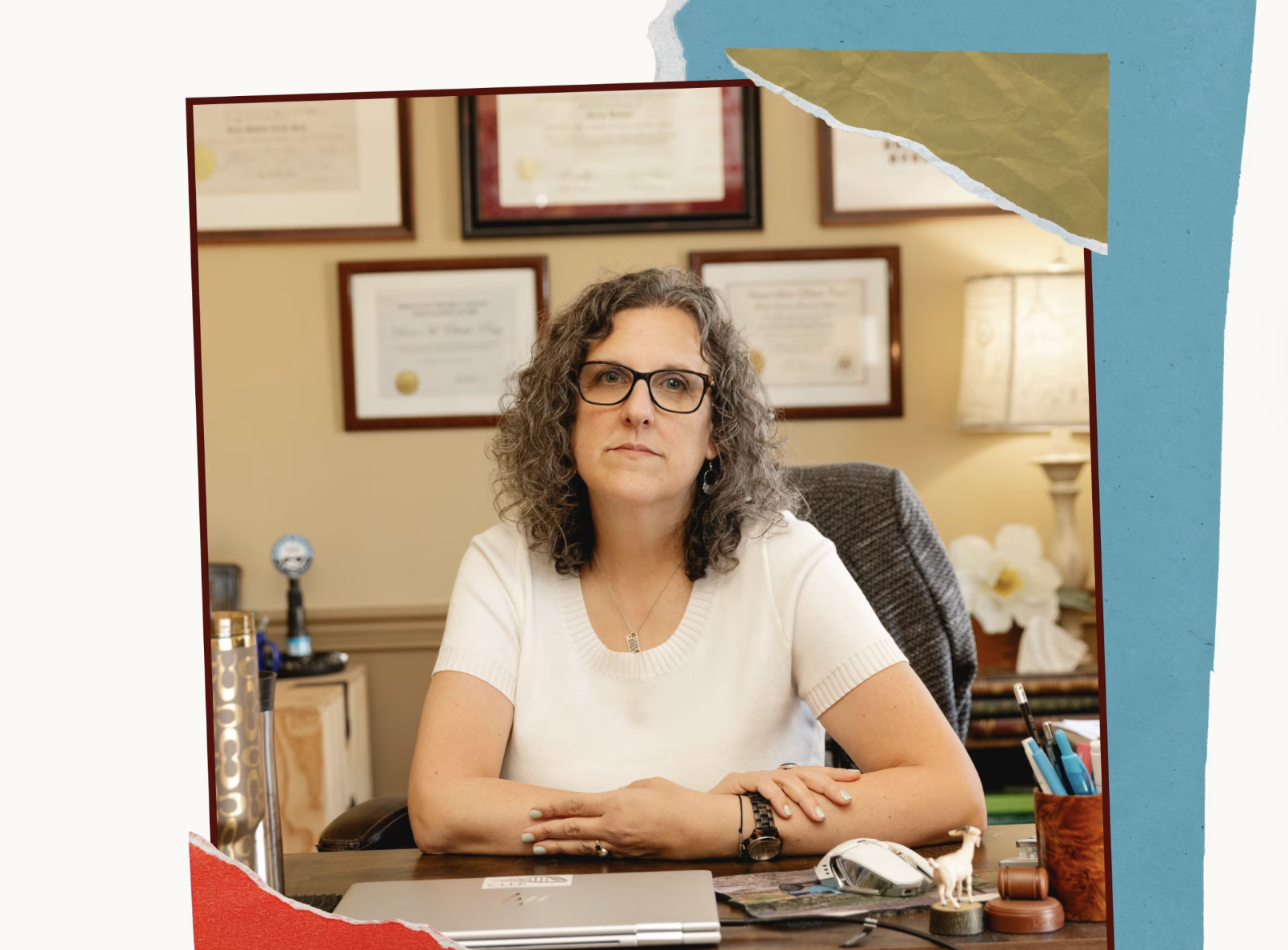
From The Wall Street Journal: This section follows a divorce attorney whose personal experience with divorce shapes how she practices law—and how she guides clients through it.
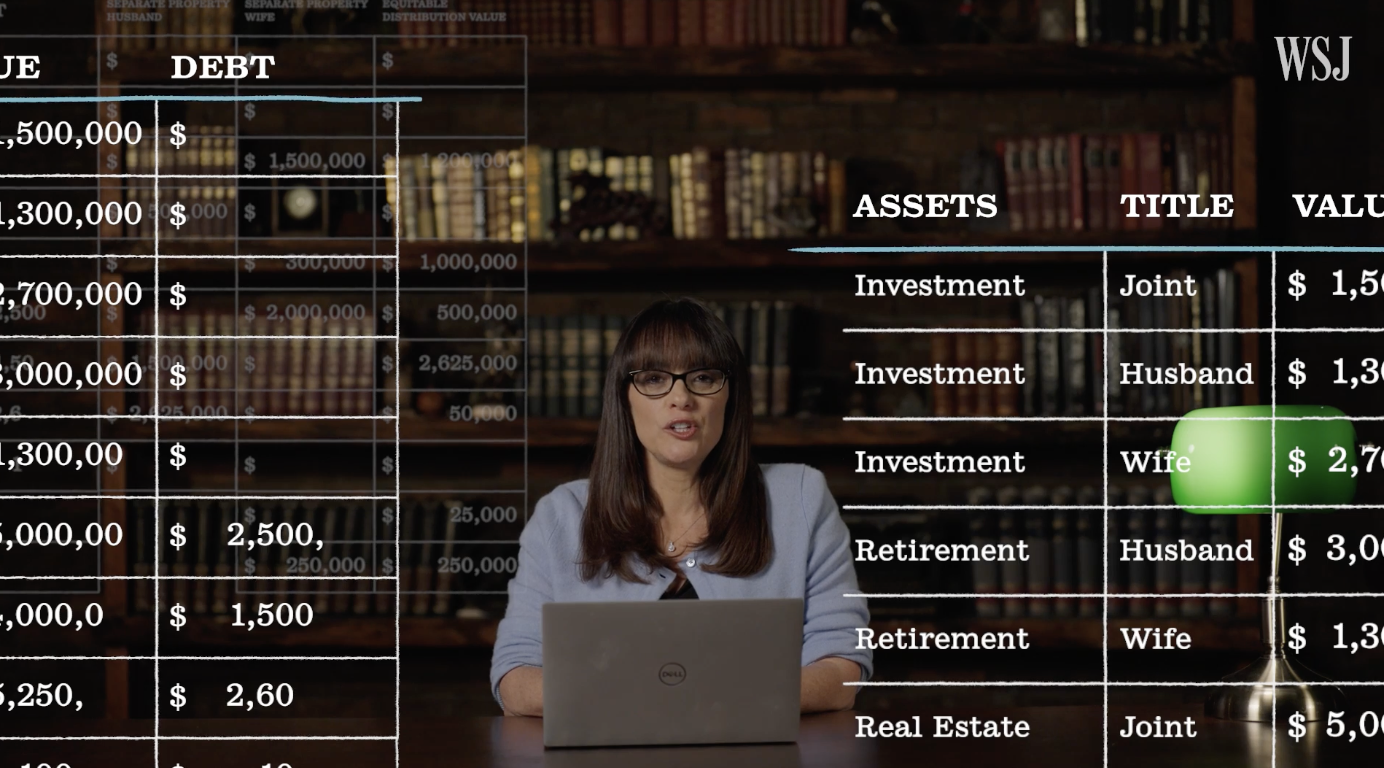
From The Wall Street Journal: For the ultra-wealthy, divorce can resemble a complex financial unwind, similar to a corporate liquidation, where massive assets and high-end lifestyles are at stake.

From The Wall Street Journal: Divorce often leads to a significant lifestyle downgrade, even for high earners, because the financial advantages of sharing expenses disappear.

From The Wall Street Journal: Divorces often involve intense disputes over seemingly trivial items—not because of their value, but because of the emotions attached to them.

From The Wall Street Journal: Breaking up without being legally married can be even more complicated than divorce, because the law offers far fewer protections.

From The Wall Street Journal: This article focuses on “homewrecker laws”—specifically a case where a spouse sued a third party for allegedly breaking up a marriage.

From The Wall Street Journal:
Divorce among Americans over 50—often called “gray divorce”—has risen sharply, now accounting for nearly 40% of all divorces. While younger couples are divorcing less, older adults are splitting more, often disrupting retirement plans and forcing major financial and emotional adjustments.

From The Wall Street Journal:
It has never been easier to conceal unsavory spending from a spouse. Divorce—and significant financial damage—can follow.

By Alesia Pinney, JD, MT, Co-Founder, Legata Deciding to divorce can be painful and disorienting, creating a less-than-ideal headspace for making big financial decisions. During a

Navigating the complexities of divorce can be overwhelming, especially when testifying in court. Witness preparation expert Nicole Stewart understands the emotional toll involved. She empowers clients to share their stories effectively, helping them feel confident and prepared. With her guidance, you can transform a stressful situation into an opportunity for healing. Discover how Nicole’s unique approach can enhance your divorce journey and achieve the best outcome.

The truth? In many divorce cases, you can assume the loan — even if it’s a Fannie Mae or Freddie Mac loan. It’s called a release of liability, and it works differently from the “assumption” most people think of when buying or selling a home.

Visualization is a powerful mindfulness technique that helps to focus the mind, promote relaxation, and achieve specific mental or emotional goals. Different types of visualization exercises can be used to cultivate mindfulness, reduce stress, or enhance emotional well-being.
Here are 7 highly effective visualization mindfulness exercises:

When families have multiple children, deciding who should own each 529 college savings plan can get tricky. The good news: there’s flexibility. Ownership doesn’t have to fall under one parent — each plan can be managed individually per child. This article breaks down five common ways parents handle 529 ownership after divorce or separation, from single-owner setups to split or dual plans, and highlights key points to cover in your agreement, including contributions, usage, and tax implications.

When divorce involves child custody or concerns about a spouse’s health or behavior, it’s natural to wonder if their medical or psychological records can be accessed. The short answer is: sometimes—but not without serious consideration by the court.

Creating a custody arrangement and co-parenting plan is one of the most important, and often most emotional, aspects of divorce. There’s no one-size-fits-all solution, but understanding your options and approaching decisions with clarity and compassion can help you build a plan that truly supports your child’s well-being.

Navigating the complexities of divorce can be overwhelming, but understanding concepts like the Memorandum of Understanding (MOU) can empower you. In Colorado, an MOU outlines agreements from mediation on issues like child custody and property division. While not legally binding on its own, it becomes enforceable once approved by the court. Discover how an MOU can facilitate a smoother transition and ensure your agreements are honored. Explore more about the phases of divorce and effective preparation.

Effective communication during divorce can be tough. The acronym HALTS—Hungry, Angry, Lonely, Tired, Sick—highlights triggers that hinder clear communication. By recognizing these states, we can improve conversations. Understanding timing and tone also enhances message reception. Discover strategies to navigate these complexities and improve communication skills during this time.

Navigating co-parenting after divorce can be challenging as your children’s needs evolve. Each developmental stage, from infancy to teenage years, requires a tailored approach for stability and emotional security. Discover key strategies for effective co-parenting plans, open communication, and consistent routines. Whether contemplating divorce or already in the midst of it, our insights will help you nurture a beneficial co-parenting relationship for everyone involved.

Divorce can be tough for children as they adjust to new routines. Nesting offers a solution, allowing kids to stay in the family home while parents alternate living there. This arrangement provides stability and helps maintain a familiar environment. Successful nesting requires strong cooperation and communication between parents, supporting your family through divorce while prioritizing your children’s well-being.

Dividing real estate during a divorce can be a challenging aspect of the process. The emotional and financial complexities of deciding the fate of your family home can feel overwhelming. Understanding how real estate is typically divided is crucial, whether you’re contemplating divorce or already in the midst of it. Options include selling the property and splitting the proceeds or one spouse buying out the other. Explore the key considerations to help you make informed decisions during this pivotal time.

Deciding what to do with your home during a divorce can be challenging. Whether selling, buying out your spouse, or co-owning, each option has emotional and financial implications. Reflecting on what your home means for your future can provide clarity. Explore key questions to guide your decisions and discover support to navigate this pivotal moment. Your next chapter starts with informed choices—let’s find the best options together.

Divorce can be a complex process, particularly in dividing real estate. Knowing your property’s market value is essential for an equitable split. Options like refinancing, selling, or temporary joint ownership each have unique implications. Explore the phases of divorce and discover key tips to navigate this challenging journey. Making informed choices is vital for your financial future—let’s move forward together!

Navigating a divorce can be emotionally challenging, especially concerning your spouse’s health records. In Colorado, privacy laws protect these records, but certain circumstances allow for court requests. Understanding this process can significantly impact your case. Explore the key steps and factors involved in this complex situation.

Navigating a timeshare during a divorce can be challenging due to emotional and financial complexities. Whether selling, buying out your spouse, or sharing the timeshare post-divorce, knowing your options is crucial. From ownership to market value, each step helps achieve a fair resolution. Don’t let the intricacies overwhelm you—explore practical strategies to manage your timeshare during this transition. Dive into our guide for informed decisions.

Divorce can lead to financial challenges that linger long after it’s over. Joint debts may be overlooked, causing future conflicts. With the right preparation, you can mitigate these risks. Learn strategies to accurately document your debts and negotiate effectively. Tools like Onward can help you manage divorce debt with confidence. Don’t let financial uncertainty hold you back—empower yourself to move forward.

Divorce involves emotional, legal, and financial aspects. While asset division is a focus, understanding debt responsibilities is crucial too. From credit card debt to mortgages, knowing who is accountable can affect your financial future post-divorce. This guide answers common questions about debt in divorce, including handling unpaid shares and safeguarding your credit. Equip yourself with the knowledge for a smoother financial transition.

Navigating divorce can be overwhelming, especially with asset division. Knowing the difference between marital and separate property is essential for your financial future. Marital property includes assets acquired during marriage, while separate property stays with the original owner. Our guide simplifies key concepts to help you protect your rights and make informed decisions.

Navigating divorce can be overwhelming, but understanding its phases and legal implications can empower you. Each stage presents unique considerations, from contemplating divorce to post-divorce adjustments. Your state’s view on marital property can significantly impact your financial future, making it crucial to know your rights. Explore our resources to equip yourself with the knowledge for informed decisions.

Navigating divorce can be overwhelming, but understanding the phases and protecting your property rights is crucial. Each stage presents challenges, and prenuptial and postnuptial agreements can safeguard your assets. Documentation is key to clarify ownership and streamline the process. Whether you’re just starting or in the thick of it, our guide offers valuable insights to help you make informed decisions. Explore more!

Navigating divorce can be daunting, especially regarding property. Misconceptions can lead to costly mistakes, like assuming all joint account funds are shared. Our guide clarifies these myths and offers tips for managing assets and debts. With Onward’s support, you can tackle financial disclosures and protect your rights during this tough time.

Navigating divorce can be overwhelming, but with Onward and Plaid, you can simplify the process. Securely connect your financial accounts and share only necessary data. Say goodbye to manual entry and paperwork—enjoy a clear financial snapshot. With real-time balances and categorized expenses, you’ll feel in control. Discover how this technology can streamline your divorce disclosures. Learn more!

Dividing finances during a divorce can be overwhelming, but it doesn’t have to be. At Onward, we simplify financial disclosures by integrating with Plaid, enabling you to securely connect your accounts and complete disclosures faster. Understanding your financial picture is essential for fair decisions regarding child support, spousal maintenance, and property division. With our support, you can organize your financial information confidently, making negotiations smoother. Discover how we can help you navigate this challenging time.

Are you thinking about divorce and want to keep your privacy safe? Changing your email or creating a new account can help protect your personal space. Our guide shares email providers that focus on security and gives easy steps for changing passwords or setting up new accounts. Whether for personal issues or private divorce plans, we’re here to assist. Boost your email privacy now!

One of the questions we’re asked most often is: Should I move out of my home or stay put? Deciding to move during the divorce process typically depends on several legal, financial, and emotional factors. Here are some key considerations (please note: this is NOT legal advice) to keep in mind before making any quick decisions.