
Onward Glossary
Confused by financial and legal jargon? The Onward Glossary breaks down the key terms you’ll encounter when navigating divorce, asset division, or financial planning — all in plain English.

Confused by financial and legal jargon? The Onward Glossary breaks down the key terms you’ll encounter when navigating divorce, asset division, or financial planning — all in plain English.

The truth? In many divorce cases, you can assume the loan — even if it’s a Fannie Mae or Freddie Mac loan. It’s called a release of liability, and it works differently from the “assumption” most people think of when buying or selling a home.

Visualization is a powerful mindfulness technique that helps to focus the mind, promote relaxation, and achieve specific mental or emotional goals. Different types of visualization exercises can be used to cultivate mindfulness, reduce stress, or enhance emotional well-being.
Here are 7 highly effective visualization mindfulness exercises:

After a divorce, managing shared expenses for your child can quickly become a source of tension if not clearly outlined. From medical bills to extracurricular activities, it’s essential to establish a system that’s fair, efficient, and minimizes conflict.

When families have multiple children, deciding who should own each 529 college savings plan can get tricky. The good news: there’s flexibility. Ownership doesn’t have to fall under one parent — each plan can be managed individually per child. This article breaks down five common ways parents handle 529 ownership after divorce or separation, from single-owner setups to split or dual plans, and highlights key points to cover in your agreement, including contributions, usage, and tax implications.

Announcing your divorce is a deeply personal and emotional decision, and it’s important to approach it with care and compassion, for both yourself and others. When sharing the news in person, it’s often best to begin with close friends and family, keeping your message simple and focused on your feelings, the support you need, and the next chapter of your life.

When divorce involves child custody or concerns about a spouse’s health or behavior, it’s natural to wonder if their medical or psychological records can be accessed. The short answer is: sometimes—but not without serious consideration by the court.

Divorce can shake your sense of identity — but it can also become the start of deep personal healing. This wellness reading list offers empowering, compassionate books to help you rebuild your inner strength, rediscover your voice, and approach the next chapter of your life with courage and self-kindness.

Creating a custody arrangement and co-parenting plan is one of the most important, and often most emotional, aspects of divorce. There’s no one-size-fits-all solution, but understanding your options and approaching decisions with clarity and compassion can help you build a plan that truly supports your child’s well-being.

Effective communication during divorce can be tough. The acronym HALTS—Hungry, Angry, Lonely, Tired, Sick—highlights triggers that hinder clear communication. By recognizing these states, we can improve conversations. Understanding timing and tone also enhances message reception. Discover strategies to navigate these complexities and improve communication skills during this time.

Navigating co-parenting after divorce can be challenging as your children’s needs evolve. Each developmental stage, from infancy to teenage years, requires a tailored approach for stability and emotional security. Discover key strategies for effective co-parenting plans, open communication, and consistent routines. Whether contemplating divorce or already in the midst of it, our insights will help you nurture a beneficial co-parenting relationship for everyone involved.

Navigating parenting after divorce can be daunting, but finding the right schedule doesn’t have to be. Many parents feel overwhelmed, yet a structured plan provides relief. Understanding your options, from a balanced 50/50 arrangement to a traditional setup, is crucial. Open communication with your co-parent is vital for your children’s well-being. Our tips help you create a plan that fits your family’s lifestyle effortlessly. Explore our guide to develop a parenting plan for your unique needs, ensuring your children are nurtured amidst the changes.

Navigating divorce can be overwhelming, especially regarding your children’s well-being. A solid parenting plan is crucial for separated or divorced parents, outlining shared responsibilities and decision-making. This plan serves as a roadmap for successful co-parenting. Discover how to create a plan tailored to your family’s needs and promotes harmony during challenging times. Explore our guide to parenting plans and take the first step towards a smoother transition for you and your children.

Navigating a divorce can be emotionally challenging, especially concerning your spouse’s health records. In Colorado, privacy laws protect these records, but certain circumstances allow for court requests. Understanding this process can significantly impact your case. Explore the key steps and factors involved in this complex situation.

Feeling overwhelmed by life stresses? Discover how nature sounds can help you unwind and find peace. Our guide offers practical tips for creating a serene environment, focusing on your breath, and mindfully listening to calming sounds. Whether facing divorce or post-divorce challenges, these techniques can enhance relaxation and lower stress levels. Dive into our article to learn how to incorporate nature sounds into your daily life for tranquility.

Divorce is a traumatic event, leading many to question what recovery truly means. After nearly three years, I continue to seek answers. My journey has included support, self-care, and facing painful memories. I’ve learned that healing isn’t linear; it demands effort and self-belief. While navigating emotional turmoil and rediscovering my identity, I’ve found that recovery is a personal path. Join me as I share insights on the road to healing after divorce. You are more than your marriage—let’s explore this journey together.

Dividing retirement accounts during a divorce can be confusing, especially because different types of accounts require different legal processes. Below is a quick comparison chart to help you understand the key differences between how these accounts are divided, what legal documents are required, and how the process affects taxes and penalties.

Breaking free from an abusive relationship is a complex and arduous journey.
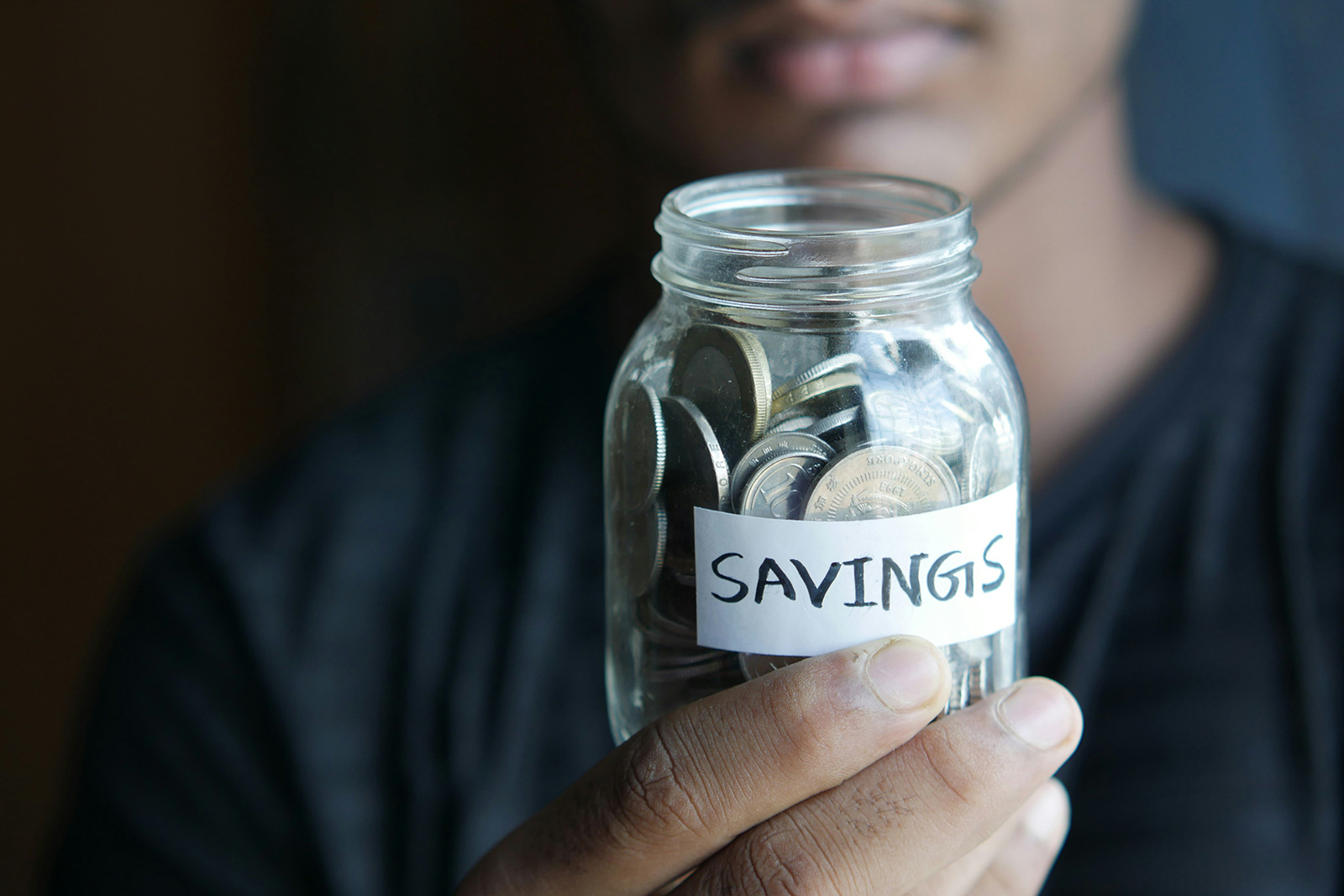
Divorce often brings financial changes, and it can be helpful for kids to learn about managing money early. There are free tools and programs that teach kids financial responsibility, saving, and budgeting.

A QDRO protects your financial future by ensuring you receive your fair share of retirement benefits in a divorce. If your divorce involves retirement assets, ask your attorney or mediator about including a QDRO in your settlement to avoid financial pitfalls later.

When someone has just finalized their divorce, they may be feeling a mix of emotions. The key is to offer support without making assumptions or pushing them to feel a certain way. Here’s what you might say.

When navigating divorce, it’s normal to feel completely overwhelmed. Yet with these short but mighty self-talk reminders, you’ll be surprised how quickly you can calm your nervous system.

Divorce settlements often include spousal maintenance to help one spouse maintain financial stability after the marriage ends. Whether you are paying or receiving maintenance, you may have the right to request a modification based on significant changes in financial or personal circumstances.

Dividing child-related expenses is often one of the most confusing and emotionally charged aspects of divorce, but having clarity upfront will make a huge difference for you and your children.

Thinking about a modification of spousal maintenance? Before moving forward, it’s important to weigh the financial and practical benefits against the potential costs and risks.

Divorce can be a confusing and emotional experience for children. It’s important for kids to know that while divorce means their parents are no longer together, they are still loved and cared for just as much as before.

When parents get divorced, kids often have a lot of questions, emotions, and concerns—but knowing how to talk about them can feel hard. Talking to parents openly and honestly can help make the transition easier.

Divorce can bring a lot of changes, and school may feel harder when emotions are running high. Some kids may have trouble focusing, keeping up with assignments, or even feeling motivated to go to school. But with the right support, school can be a place of stability and success, even during tough times.

Divorce changes family dynamics, but it doesn’t change the love and connection between kids and their parents. It can take time to adjust to new routines, living arrangements, and relationships, but with effort and communication, kids can maintain strong, healthy connections with parents, siblings, and friends.

Divorce isn’t just an emotional process—it also involves legal decisions and paperwork that affect a child’s daily life. While parents and lawyers handle the legal side, it can be helpful for kids to understand some of the key terms and concepts that impact them.

Going through a divorce can feel overwhelming, but no one has to go through it alone. There are many resources available to help kids understand their emotions, find support, and adjust to changes in their family.

Divorce can be stressful, emotional, and exhausting, but that doesn’t mean life has to be all about sadness or change. Taking care of yourself and finding moments of happiness can make a big difference in adjusting to a new normal.

Divorce is a big change, and it’s normal for kids to feel a mix of emotions—sadness, anger, confusion, relief, or even guilt. The good news is that there are ways to cope and find support through the divorce process.

Kids often have to split their time between two homes when parents divorce. This can be a big adjustment, especially if parents have different rules, routines, or communication styles.

No one typically marries thinking it will end in divorce, yet when it does, many of us can feel stuck and overwhelmed when navigating the Phases of Divorce. We are here to help you get unstuck. Yes, divorce is a roller coaster, and some days are easier than others. But this helpful little tool with big impact, is helpful for any individual – divorced or not. Using a daily gratitude journal can have powerful benefits for your mental and emotional well-being. Here are some great reasons why it’s worth making it a regular habit in your life, and it only takes five minutes a day!